TL;DR:
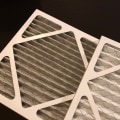
A 12x15x2 filter lives in one of three spots: behind a return grille, in a furnace filter rack, or in the filter slot of a closet air handler. You'll find the size printed on the old filter's frame. The filter actually measures 11.5 x 14.5 x 1.75 inches, so a slightly small reading is normal.
On service calls, the question I hear most isn't "Which filter should I buy?" It's "Where does it go?" A 12x15x2 is a 2-inch pleated filter that sits where return air enters the system. Start with your return grilles, then check the furnace cabinet and the air handler. The old filter's frame will tell you exactly what to order.
Key Takeaways
• A 12x15x2 filter always sits on the return side of the system.
• The size on the label is rounded. Filterbuy lists the actual size of a 12x15x2 filter as 11.5 x 14.5 x 1.75 inches.
• A 12x15x2 and a 15x12x2 are the same filter.
• A 1-inch filter in a 2-inch slot leaves a gap that lets dust slip past.
• One 12x15x2 handles roughly 230 to 465 CFM, so it often works alongside other return filters.
Where Is My 12x15x2 Filter?
Your filter sits wherever the system pulls air in, which means a wall or ceiling return grille, a furnace rack, or an air handler slot. The U.S. Department of Energy's air conditioner maintenance guide confirms that central AC filters sit along the return duct, usually in walls, ceilings, or the unit itself.
Not sure which vent is a return? Try the "follow the air" test. It's the method I teach every homeowner I work with.
Set your thermostat fan to "On."
Hold a tissue near each large vent. A return vent will pull the tissue toward it.
Look for latches or a hinged face on that return. If you see them, you've found your filter grille.
If there are no latches, follow the return duct back to the furnace or air handler.
How Do I Find a 12x15x2 Return Air Filter in a Grille?
A filter grille is a return vent with a hinged or removable face, and you'll usually find one in a hallway ceiling or low on an interior wall. Once you release the latches or thumb screws, the filter slides right out.
Check the grille's depth, too. Some are built for 1-inch filters only, and if the door won't close over a 2-inch filter, the grille is the limit.
For a ceiling grille:
Turn the thermostat off.
Use a stable step ladder.
Support the grille face as you open it.
Note the airflow arrow before you pull the old filter out.

What Does a 12x15x2 Furnace Filter Rack Look Like?
A 12x15x2 furnace filter rack is a narrow slot on the side of the furnace or on the return duct right beside it. A small sliding or snap-on door covers the opening, and the filter slides in edge first.
When you're done, close that door snugly. DOE research warns that a leaky filter cover can pull unfiltered air into the system.
Some furnaces keep the filter inside the blower compartment instead. Turn off the furnace power switch before you remove that panel, and call a licensed technician if you're unsure it's safe to open.
Where Does an Air Handler Filter Go?
In a closet or utility-room air handler, the 12x15x2 filter usually sits in a slot near the base of the unit. Look for a removable panel or a slot marked "filter."
One of the most common problems I find is what I call the "two-filter trap." Some closet systems have one filter in the grille and another in the cabinet. That setup isn't always intended, and doubling up can choke airflow, so ask your HVAC pro which location your system was designed for.
If airflow stays weak or the coil ices up even with a fresh filter, read up on the warning signs that an air handler needs replacing.

Is One 12x15x2 Filter Enough for Your System?
A 12x15x2 is a small filter, with an actual face of roughly 1.16 square feet. DOE research prefers air to move through a home filter at 200 to 400 feet per minute, and at that pace, one 12x15x2 can handle roughly 230 to 465 cubic feet of air per minute (CFM).
That's why a 12x15x2 often works as one of several return filters, or on a smaller system. Force air through faster and resistance climbs. In DOE testing, a 4-inch MERV 12 filter's pressure drop rose from 0.20 to 0.35 inches of water column when air speed went from 300 to 500 feet per minute.
If a single 12x15x2 is the only filter in your home, ask your HVAC pro whether the filter area matches the system's airflow. An undersized return filter is one of the first things I check when a system runs loud or short-cycles.
How Do I Find My HVAC Filter Size Label?
The size is printed on the cardboard edge of the filter you have now. Read it before you pull the filter all the way out, then snap a phone photo so the size and airflow arrow are on hand when you reorder.
California has required filter labels to show particle efficiency and pressure drop since April 2019, so you may see those numbers too. When two filters share a MERV rating, the one with the lower pressure drop lets air through more easily.
A common ordering mistake comes from the gap between nominal and actual size, which is why precise filter measurements matter. A manufacturer that has made air filters in Alabama, Florida, Pennsylvania, and Utah since 2013, lists the actual size of its 12x15x2 filter as 11.5 x 14.5 x 1.75 inches. That extra room lets the filter slide in and out of the slot. You can confirm the dimensions and MERV options on 12x15x2 air filter page.
If the label is worn off, measure the slot instead. This step-by-step guide to measuring a furnace or AC filter walks through it in detail:
Measure the depth of the slot.
Round each number up to the nearest inch.
The same rounding rule applies to other compact 2-inch sizes, like the 12x12x2 furnace filter.
Which Way Does the Airflow Arrow Point?
The arrow points toward the blower, in the direction the air travels: into the wall or ceiling at a grille, and toward the unit at a rack or air handler.
How Often Should You Change a 12x15x2 Filter?
Check the filter monthly and replace it when it looks gray or clogged, usually every 60 to 90 days. The Department of Energy recommends a change every month or two during cooling season, and homes with pets or allergy sufferers may need one sooner. Our guide on how often to change furnace filters breaks down the timing by household.
Don't wait for the schedule if the filter is damp, moldy, collapsed, or banging when the system starts. Replace it right away, and write the install date on the new frame.
What We See on Service Calls
In my experience, these habits prevent most filter-related service calls:
Write the filter size and install date on the grille or unit.
Check every return, not just the most visible one.
Match the slot depth exactly, because "close enough" isn't.
"The most common filter problem I find isn't a dirty filter. It's a missing or wrong-size one. Homeowners change the filter they can see and forget the one inside the air handler, and a $15 filter in the wrong slot can lead to a frozen coil and a much bigger service bill."
7 Essential Resources for Choosing and Maintaining a 12x15x2 Air Filter
1. Confirm Your Exact Fit Before You Order
12x15x2 page lists the actual dimensions and compares MERV 8, 11, and 13 options.
2. Upgrade Your MERV Rating Without Choking Airflow
The DOE's High-MERV Filters guide explains how filter depth and rating affect airflow resistance.
3. Get the EPA's Unbiased Guide to Home Filtration
The EPA's Air Cleaners and Air Filters in the Home hub compares filter options without endorsing any brand.
4. Set a Filter-Change Schedule That Saves Energy
ENERGY STAR's Heat & Cool Efficiently page explains how monthly checks prevent wasted energy.
5. Know What a Professional Tune-Up Should Cover
ENERGY STAR's Maintenance Checklist lists what a contractor should inspect each year.
6. Spot the Warning Signs of an Aging AC
ENERGY STAR's When Is It Time to Replace? page covers red flags like an AC over 10 years old.
7. Protect Family Members With Allergies or Asthma
AAFA's healthier home guide includes practical trigger-reduction steps and a free printable checklist.
Supporting Statistics: What the Research Says
A 2-Inch Filter Can Cut Airflow Resistance by About 35%
In DOE testing, a 2-inch filter measured 0.13 inches of water column, while a 1-inch filter with the same MERV 7 rating measured 0.20. The filter alone causes 20% to 50% of a system's pressure drop.
Source: U.S. DOE Building America Solution Center
Heating and Cooling Use Nearly Half of Home Energy
Airflow problems can cut system efficiency by up to 15%. ENERGY STAR recommends a new filter at least every three months.
Source: ENERGY STAR
Indoor Air Can Be 2 to 5 Times More Polluted
People spend over 90% of their time indoors. AAFA recommends regular filter changes for households with allergies or asthma.
Source: Asthma and Allergy Foundation of America
Next Step
Find your filter today and photograph the label. Before you reorder, review how to choose the best MERV rating for your home. If your system still struggles with a clean filter, schedule an AC inspection with a licensed HVAC technician.

Frequently Asked Question
Is a 12x15x2 filter the same as a 15x12x2?
Yes. Turn it sideways and it fits the same slot.
Can I use a 1-inch filter in a 2-inch slot?
No. Air slips around the edges, which lets dust reach the blower and coil.
Which MERV rating should I choose for a 12x15x2 filter?
Filterbuy makes 12x15x2 filters in MERV 8, 11, and 13, and the EPA advises using the highest rating your system fan and filter slot can handle. Because a 12x15x2 is a small filter, check with your HVAC pro before stepping up to MERV 13.
Why does my 12x15x2 filter measure 11.5 x 14.5?
That's normal. Filters are made slightly smaller than the label so they slide in without forcing.
What if my new filter is too tight or too loose?
Re-measure the slot first. If no standard size fits snugly, a custom filter is the better fix. Some manufacturers, including Filterbuy, make filters to any size, so you don't have to force or gap a standard one.